Author: Mountain Rain Renovations

  • Bathroom Waterproofing

    Bathroom Waterproofing

    Calgary Homeowners: Here’s What You Should Know About Shower Waterproofing

    When planning a bathroom renovation in Calgary, most homeowners focus on tile selection, fixtures, and layout, but the most important part of your new shower isn’t what you see it’s what’s built behind the tile. At Mountain Rain Renovations, we’ve seen firsthand how improper waterproofing can lead to mold, rot, and costly structural damage just a few years after a renovation is completed.

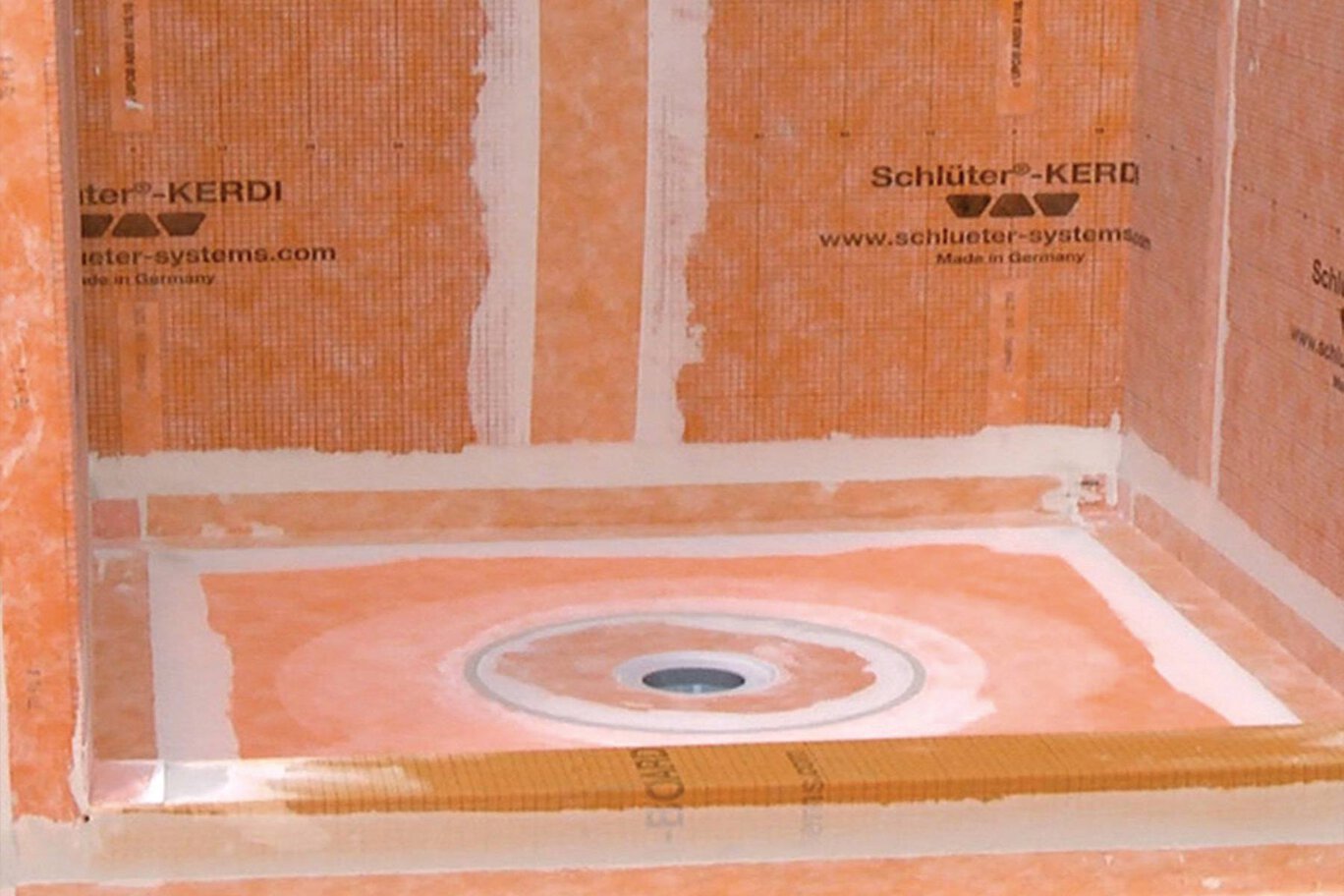
    Calgary’s climate makes proper waterproofing even more important. Our dry winters and temperature fluctuations, create conditions where condensation and moisture movement can cause hidden damage inside walls and subfloors. Some homeowners don’t realize that tile and grout are not waterproof. Water can pass through grout lines over time, which means the real protection comes from a properly installed waterproof membrane system underneath.

    That’s why we use professional systems like Schluter Kerdi, glasroc, wedi, hydroblok and red guard installed according to manufacturer specifications. We also ensure proper slope toward the drain. Attention to detail around niches, benches, corners, and curbs is critical, as these are the areas where most showers fail.

    A properly waterproofed shower should last decades, not just look good for a few years. Cutting corners during this stage can result in expensive repairs that far exceed the initial cost of doing it right.

    If you’re planning a bathroom renovation in Calgary, make sure your contractor prioritizes what’s behind the tile just as much as the design itself. At Mountain Rain Renovations, we build showers the right way — protecting your home, your investment, and your peace of mind for years to come.

    Serving Calgary and surrounding communities. Reach out to book your consultation.
  • Framing Improvements

    Framing Improvements

    If you live in a newer home—or are planning to build one—you’re benefiting from major improvements from wood framing over the last few decades. The way homes are framed today is dramatically different from how they were built years ago. The result is a house that feels warmer, more open, and structurally stronger.

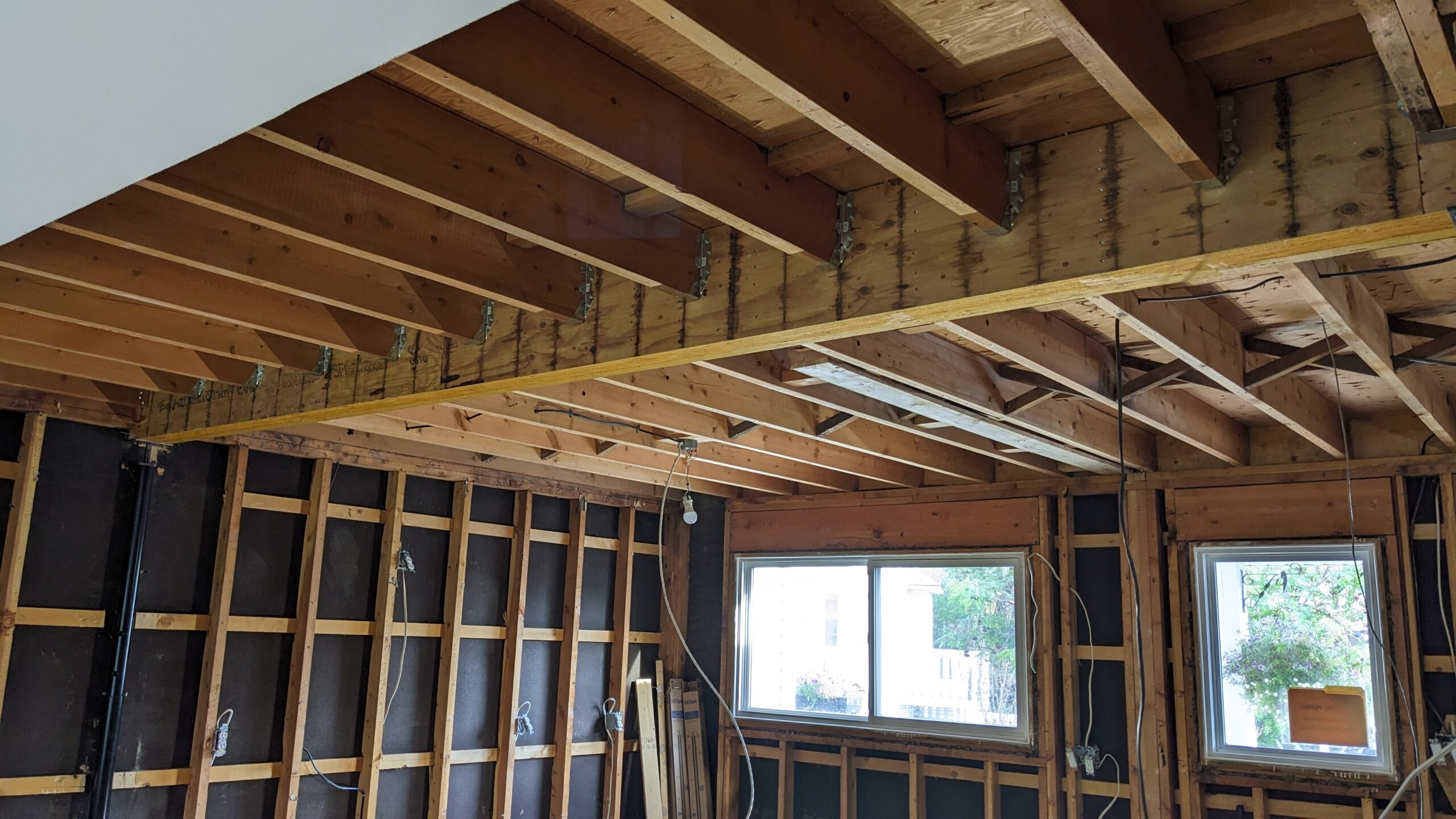
    One of the biggest changes is the use of engineered wood products. Instead of relying only on traditional solid lumber, builders now use engineered floor joists, trusses and laminated beams. These materials are manufactured for strength and consistency, which means they are less likely to twist, shrink, or warp over time. For homeowners, that translates into fewer squeaky floors, fewer drywall cracks, and a structure that holds up better long term.

    Engineered floor joists and roof trusses have changed the way homes are designed. With larger spans you no longer need as many interior load bearing walls to support the structure. This makes open concept layouts easy, with larger kitchens, wider living areas, and fewer posts or bulky beams interrupting your space.

    Comfort has improved as well. With 2×6 framing for exterior walls instead of the older 2×4 standard. That extra wall depth allows for more insulation to increases the R value. More insulation means better temperature control, lower energy bills, and a home that feels more comfortable year-round.

    Another major improvement is how heating, plumbing, and electrical systems are installed. Engineered floor systems are built with openings that allow ducts, pipes, and wiring to run through them without weakening the structure. Helping to maintain the home’s strength while keeping full ceiling height, resulting in fewer bulkheads and a cleaner, more open feel.

    Modern fastening systems how improve structural strength. Homes today use advanced structural screws, metal connectors, and engineered hardware from companies like Simpson Strong-Tie. This makes connections stronger and easier to calculate for strength.

    For homeowners, that means fewer structural issues, lower utility costs, and living spaces that feel larger and more functional. Wood framing may still be the backbone of residential construction, but today it performs better than ever before.